


 USTC
USTC


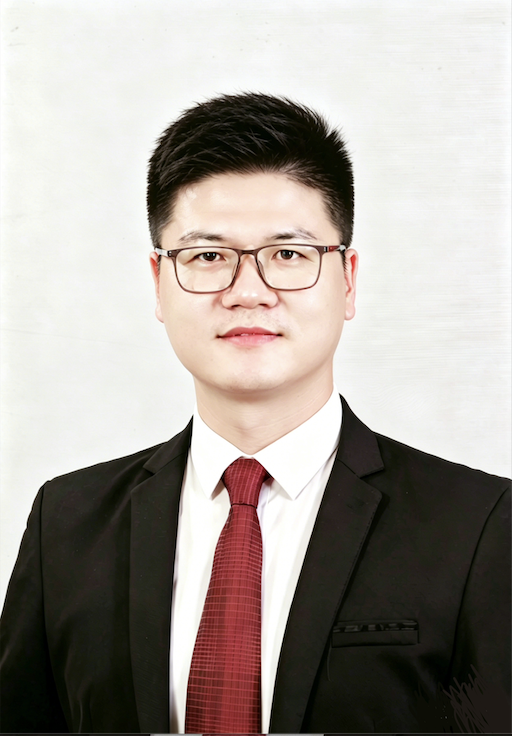 |
WENG Qingxiong Professor Department of Business Management Discipline: Organization & Human Resources Office:Roorm 915,School of Management Phone:+86-551-63600543 Email:wqx886@ustc.edu.cn Joined University of Science and Technology of China in 2012 |
||
Qingxiong (Derek) Weng is a professor in management at University of Science and Technology of China. He received his Ph.D. in Business Management in Huazhong university of Science and Technology, and continued his work as a postdoctoral researcher in Xi'an Jiaotong University and Ghent University. He has over 100 publications in journals such as Journal of Applied Psychology, Journal of Management Studies, Journal of Vocational Behavior, Journal of Organizational Behavior, Human Relations, Human Resource Management, Applied Psychology, Human Performance, International Journal of Selection and Assessment, Journal of Knowledge Management, Journal of Career Development, and Australian Journal of Management. His research interest mainly focuses on vocational behavior and psychology, leadership, personnel assessment and selection. Derek was an associate editor of Journal of Vocational Behavior. He also services as the editorial board member of Journal of Managerial Psychology and Journal of Career Development, and as an ad-hoc reviewer of leading journals, such as Academy of Management Review, Journal of Applied Psychology, Journal of Organizational Behavior, Journal of Occupational and Organizational Psychology, Human Relations and so on.
Selected publications Khalid, J., Weng, Q. D., & Khizar, H. M. U. (2025). A bibliometric-systematic literature review of workplace gossip research. Human Resource Management Review, 35(3), 101092. [pdf] Weng, Q., Chen, L., Popelnukha, A., & Wang, X. (2025). An examination of the link between interest incongruence and employee cyberloafing from an ego depletion perspective. Journal of Occupational and Organizational Psychology, 98(1), e12559. [pdf] Chen, L., Weng, Q., Popelnukha, A., & Jiang, H. (2025). Mixed feelings about supervisors: The effect of LMX ambivalence on supervisor-directed behaviors. Journal of Business Ethics, 199(1), 163-182. [pdf] Weng, Q., Wang, Y., Wang, X., & Qin, H. (2025). Catching up or putting them down? An investigation of employee divergent reactions to coworker conscientiousness. Personality and Individual Differences, 238, 113106. [pdf] Weng, Q., Jiang, H., Zhao, H., Popelnukha, A., Niu, T., & Chen, L. (2025). Your success should be internally attributed: The role of performance accomplishment in entrepreneurial practice on entrepreneurial intention. The International Journal of Management Education, 23(2), 101161. [pdf] Bauer, F., King, D. R., Friesl, M., Schriber, S., & Weng, Q. (2024). Acquisition integration capabilities and organizational design. Long Range Planning, 57(6), 102479. [pdf] Ilies, R., Yao, J., Pluut, H., Liang, A. X., & Weng, Q. D. (2024). Blurred lines: the spillover and crossover effects of interpersonal experiences at work on family behaviors and well-being. Journal of Vocational Behavior, 154, 104043. [pdf] Xi, L., Weng, Q., Corstjens, J., Wang, X., & Chen, L. (2024). Effects of a constructed response retest strategy on faking, test perceptions, and criterion‐related validity of situational judgment tests. International Journal of Selection and Assessment, 32(4), 561-578. [pdf] Chen, L., & Weng, Q. (2023). Authoritarian-benevolent leadership and employee behaviors: an examination of the role of LMX ambivalence. Journal of Business Ethics, 186(2), 425-443. [pdf] Pluut, H., Ilies, R., Su, R., Weng, Q., & Liang, A. X. (2022). How social stressors at work influence marital behaviors at home: An interpersonal model of work–family spillover. Journal of Occupational Health Psychology, 27(1), 74-88. [pdf] Tariq, H., Weng, Q., Ilies, R., & Khan, A. K. (2021). Supervisory abuse of high performers: a social comparison perspective. Applied Psychology, 70(1), 280-310.[pdf] Rasheed, M. I., Weng, Q., Umrani, W. A., & Moin, M. F. (2021). Abusive supervision and career adaptability: The role of self-efficacy and coworker support. Human Performance, 34(4), 239-256. [pdf] Wang, Q., Weng, Q., Jiang, Y. (2020). When Does Affective Organizational Commitment Lead to Job Performance? Integration of Resource Perspective. Journal of Career Development, 47 (4), 380-393. Weng, Q., Zhu, L. (2020). Individuals’ Career Growth Within and Across Organizations: A Review and Agenda for Future Research. Journal of Career Development, 47 (3), 239-248. Sungu, L.J., Hu, E., Weng, Q. (2020). Goal Commitment Buffers the Negative Effects of Perceived Abusive Supervision. Journal of Psychology: Interdisciplinary and Applied, 154 (4), 273-291. Naeem, M., Weng, Q., Ali, A., Hameed, Z. (2020). Linking family incivility to workplace incivility: Mediating role of negative emotions and moderating role of self-efficacy for emotional regulation. Asian Journal of Social Psychology, 23 (1), 69-81. Tariq, H., Weng, Q., Garavan, T.N., Obaid, A., Hassan, W. (2020). Another sleepless night: Does a leader's poor sleep lead to subordinate's poor sleep? A spillover/crossover perspective. Journal of Sleep Research, 29 (1) Naeem, R.M., Weng, Q., Hameed, Z., Rasheed, M.I. (2020). Ethical leadership and work engagement: A moderated mediation model. Ethics and Behavior, 30 (1), 63-82. Jiang, Y., Wang, Q., Weng, Q. (2020). Job characteristics as drivers of occupational commitment: the mediating mechanisms. Current Psychology. Jiang, Y., Wang, Q., Weng, Q. (2020). Contextual resource or demand? The effects of organizational engagement climate on employees’ work-to-family conflict. Current Psychology. Jiang, Y., Wang, Q., Weng, Q. (2020). Personality and Organizational Career Growth: The Moderating Roles of Innovation Climate and Innovation Climate Strength. Journal of Career Development. Zhu, L., Flores, L.Y., Weng, Q., Li, J. (2020). Testing a Moderated Mediation Model of Turnover Intentions with Chinese Employees. Journal of Career Development. Sungu, L.J., Weng, Q., Hu, E., Kitule, J.A., Fang, Q. (2020). How Does Organizational Commitment Relate to Job Performance? A Conservation of Resource Perspective (2020) Human Performance, 33 (1), 52-69. Shillamkwese, S.S., Tariq, H., Obaid, A., Weng, Q., Garavan, T.N. (2020). It's not me, it's you: Testing a moderated mediation model of subordinate deviance and abusive supervision through the self-regulatory perspective. Business Ethics, 29 (1), 227-243. King, D.R., Bauer, F., Weng, Q., Schriber, S., Tarba, S. (2020). What, when, and who: Manager involvement in predicting employee resistance to acquisition integration. Human Resource Management, 59 (1), 63-81. Spagnoli, P., Weng, Q. (2019). Factorial validity, cross-cultural equivalence, and latent means examination of the organizational career growth scale in Italy and China. International Journal of Human Resource Management, 30 (21), 2951-2970. Naeem, M., Weng, Q., Ali, A., Hameed, Z. (2019). An eye for an eye: does subordinates’ negative workplace gossip lead to supervisor abuse? Personnel Review, 49 (1), 284-302. Sungu, L.J., Weng, Q., Kitule, J.A. (2019). When organizational support yields both performance and satisfaction: The role of performance ability in the lens of social exchange theory. Personnel Review, 48 (6), 1410-1428. Zhang, Y., Crant, J.M., Weng, Q. (2019). Role stressors and counterproductive work behavior: The role of negative affect and proactive personality. International Journal of Selection and Assessment, 27 (3), 267-279. Sungu, L.J., Weng, Q., Xu, X. (2019). Organizational commitment and job performance: Examining the moderating roles of occupational commitment and transformational leadership. International Journal of Selection and Assessment, 27 (3), 280-290. Butt, H.P., Tariq, H., Weng, Q., Sohail, N. (2019). I see you in me, and me in you: The moderated mediation crossover model of work passion. Personnel Review, 48 (5), 1209-1238. Ahmad, B., Tariq, H., Weng, Q., Shillamkwese, S.S., Sohail, N. (2019). When a proximate starts to gossip: Instrumentality considerations in the emergence of abusive supervision. Employee Relations, 41 (5), 851-875. Zuo, Y., Weng, Q., Xie, X. (2019). Are All Internships Equally Beneficial? Toward a Contingency Model of Internship Efficacy. Journal of Career Development. Carpentier, M., Van Hoye, G., Weng, Q. (2019). Social media recruitment: Communication characteristics and sought gratifications. Frontiers in Psychology. Tariq, H., Weng, Q., Ilies, R., Khan, A.K. (2019). Supervisory Abuse of High Performers: A Social Comparison Perspective. Applied Psychology. Wang, Q., Jiang, Y., Weng, Q., Wang, Q. (2019). A meta-analysis of the relationship between occupational commitment and job performance. Social Behavior and Personality, 47 (8). Zuo, Y.H., Weng*, Q.X., & Xie, X. Y. Are all internships equally beneficial? Toward a contingency model of internship-career outcomes relationships. Journal of Career Development. Forthcoming. Wang, Q., Weng*, Q.X. When does affective organizational commitment lead to job performance? A conservation of resources perspective. Journal of Career Development, https://doi.org/10.1177/0894845318807581. Weng, Q., Wu,S., McElroy, J.C. Place attachment and intent to quit: A moderated mediation of intent to relocate and occupational commitment. Journal of Vocational Behavior, forthcoming. Zhang, Y., Weng*, Q.X., & Zhu, N. (2018).The relationship between electronic banking adoption and its antecedents: A meta-analytic study of the role of national culture. International Journal of Information Management. 40, 76-87. [pdf] Tariq, H., Weng*, Q.X. (2018) Accountability breeds response-ability: Instrumental contemplation of abusive supervision. Personnel Review. https://doi.org/10.1108/PR-05-2017-0149. Weng, Q.X., Yang, H., Lievens, F., McDaniel, M.C. (2017). Optimizing the validity of situational judgment tests: The importance of scoring methods. Journal of Vocational Behavior. Forthcoming. Wasti, A. S et al. (2016). Location, location, location: Contextualizing organizational commitment. Journal of Organizational Behavior. 37(4): 613-632. McElroy, J.C., Weng*, Q.X. The connections between careers and organizations in the new career era: Questions answered, questions raised. Journal of Career Development, 2015, DOI: 10.1177/0894845315604738.[pdf] Fan, Jinyan, Stuhlman, Melissa, Chen, Lijun and Weng, Qingxiong (2016) Both general domain knowledge and situation assessment are needed to better understand how SJTs work. Industrial and Organizational Psychology, 9 1: 43-47. doi:10.1017/iop.2015.114 Wang, Q., Weng*, Q.X., McElroy, J.C., Ashkanasy, N.M., Lievens, F. Organizational career growth and subsequent voice behavior: The role of affective commitment and gender. Journal of Vocational Behavior, 2014, 84(3): 431-441. [pdf] (Wang and Weng contributed equally to this paper) Weng, Q. X., McElroy, J. C. Organizational career growth, affective occupational commitment and turnover intentions. Journal of Vocational Behavior, 2012, 80(2): 256-265.[pdf] Liu, R.Z., Weng, Q.X., Mao, G.F., Huang, T.W. Industrial cluster, government agency and entrepreneurial development: A case study of Wenzhou City, Zhejiang Province. Chinese Management Studies, 2013, 7(2): 253-280. [pdf] Gu,J.J. Weng, Q.X., Xie, F.H. Leadership, team and decision speed: empirical study using cross-provincial data. Chinese Management Studies, 2012, 6(4): 598-609. Weng, Q.X., McElroy, J.C. Vocational self-concept crystallization as a mediator of the relationship between career self-management and job effectiveness. Journal of Vocational Behavior. 2010,76(2): 234-243.[pdf] Weng, Q.X, McElroy, J.C., Morrow, P., Liu, R.Z. The relationship between career growth and organizational commitment. Journal of Vocational Behavior, 2010, 77(3): 391-400. [pdf] Weng, Q.X., McElroy, J.C. HR environment and regional attraction: an empirical study of industrial clusters. Australian Journal of Management,2010,35(3): 245-263.[pdf] Weng, Q.X. The influence of industrial clusters’ Character on talent growth. International Journal of Human Resources Development and Management,2008(1/2): 150-162. Weng, Q.X. The role of HR-environment on talent growth: an Empirical study in Industrial Clusters of China. Chinese Management Studies,2008(1):14-31. Welcome international students, who prepare to continue their research in China, contact me! Recent publications can be accessed via https://www.researchgate.net/profile/Qingxiong_Derek_Weng |
|||
中文


